
Back to Blog Article
Food challenges: another way to enjoy food
Some dishes bring everyone around the table, while some challenges have everyone watching the clock. Discover where these experiences come from and why we love sharing them.
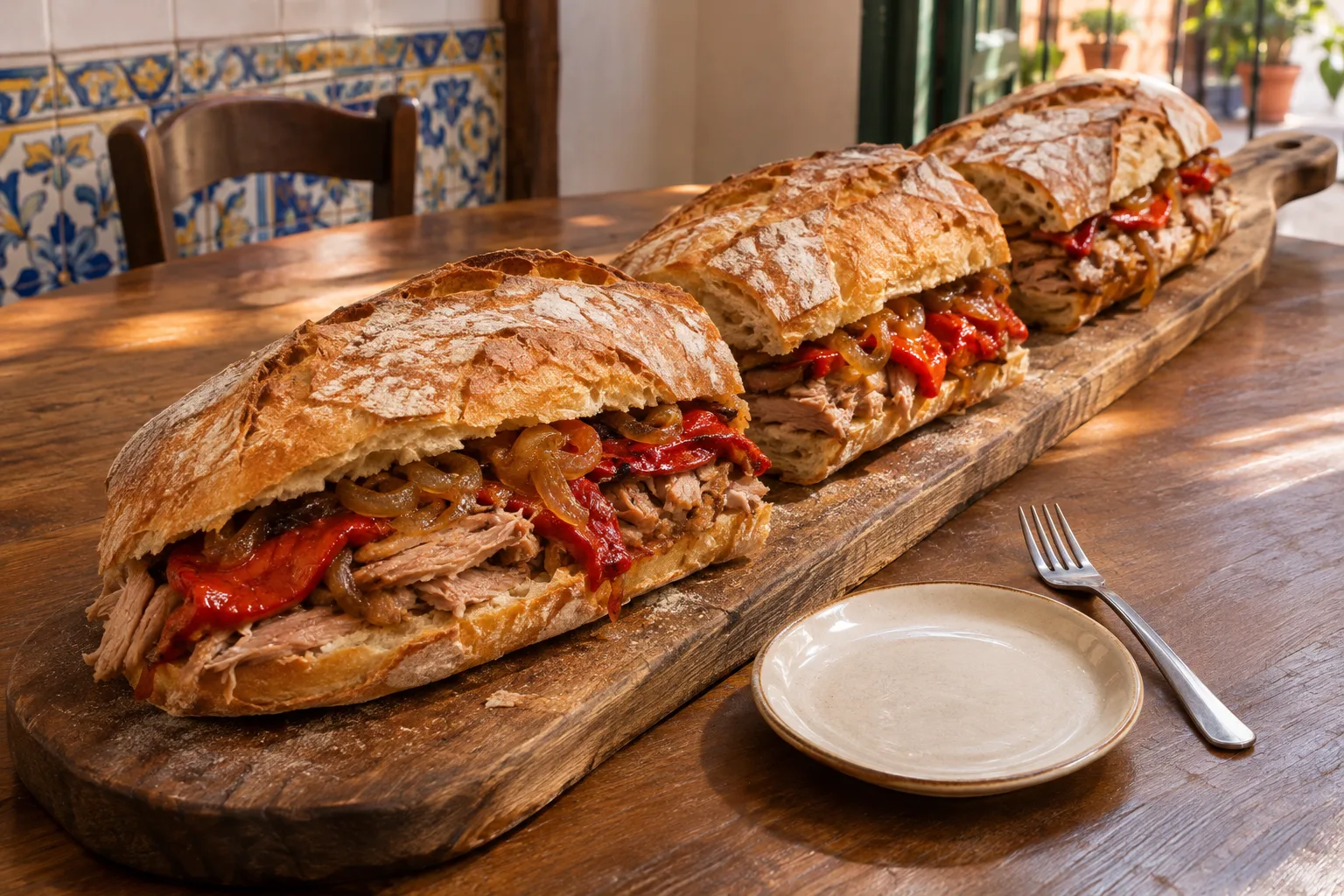
In recent years, food challenges have found their way onto our screens. You’ve probably seen someone take on a multi-patty burger, a sandwich that barely fits on the table or a dish so spicy it brings them to tears before the first minute is up. And, like us, you’ve probably watched until the end.
Social media has helped bring these experiences to many more people. Content creators have introduced us to venues and dishes we might never have discovered otherwise, letting us share in their attempts, their victories and their defeats. Because yes, sometimes the dish wins. By a long way. But does it really matter? Not everyone wants to compete. Some of us prefer to enjoy these dishes without putting ourselves through an ordeal.
Still, as the saying goes, the world is run by madmen, and these competitions existed long before we could watch them on a mobile phone. In the United States, for example, records of Nathan’s hot dog eating contest at Coney Island go back to the 1970s, and over time it has become an event followed by thousands of people.
There are also stories with very different origins. In Japan’s Iwate region, there is a tradition called wanko soba. Diners are served small portions of noodles in a bowl, and each time they empty it, another portion is served. The custom began as a gesture of hospitality and, over the years, also gave rise to competitions to see who could finish the most bowls. When someone has had enough, there’s a clear way to say so: put the lid on the bowl before it can be filled again.
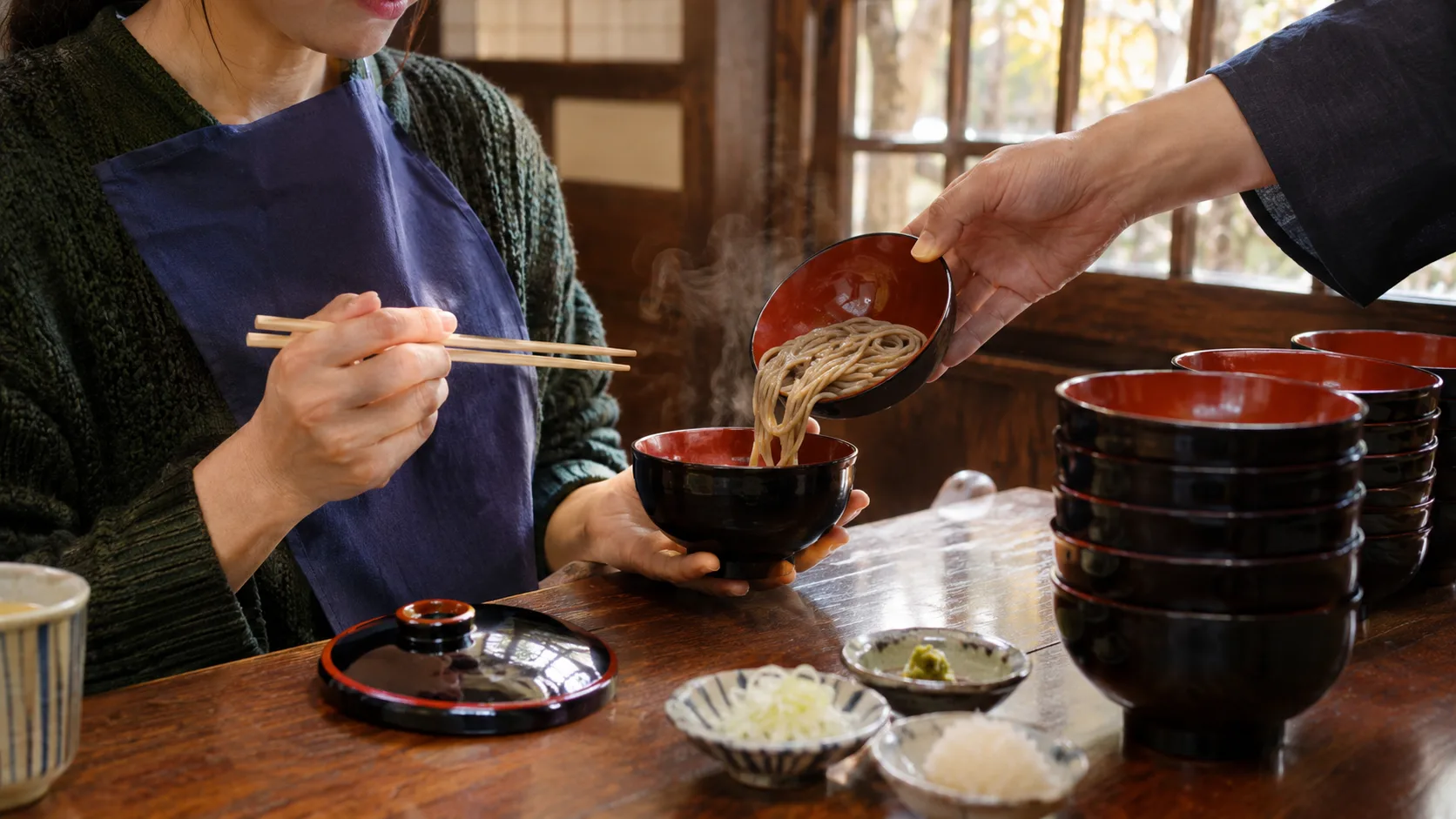
Two places, two stories and two ways of turning a meal into an experience people remember. And that is exactly what we love to discover.
What makes a meal a food challenge?
The idea is simple. A venue prepares a dish and sets conditions for completing it. It might involve finishing the dish within a set time, taking on an especially spicy sauce or trying to get through a recipe of unusual proportions. From there, each establishment adds its own touch. Some offer a prize, others a place on their wall of fame, while others are happy with the satisfaction of having put the person at the table to the test.
Then there’s everything happening around the table. Friends who come along to cheer you on, bets on how long it will take for the first person to give up, and the look on the challenger’s face when they see the dish come out of the kitchen. Sometimes that look alone is worth a photo.
In Spain, too, some venues have taken the plunge and created their own challenges. Take pizzerias, for example. More and more pizza makers are stretching out their dough to delight those mad enough to go looking for an ever-bigger slice. Each challenge has its own conditions, so it’s worth checking with the venue beforehand what’s included, whether you need a reservation and what happens if you don’t finish.
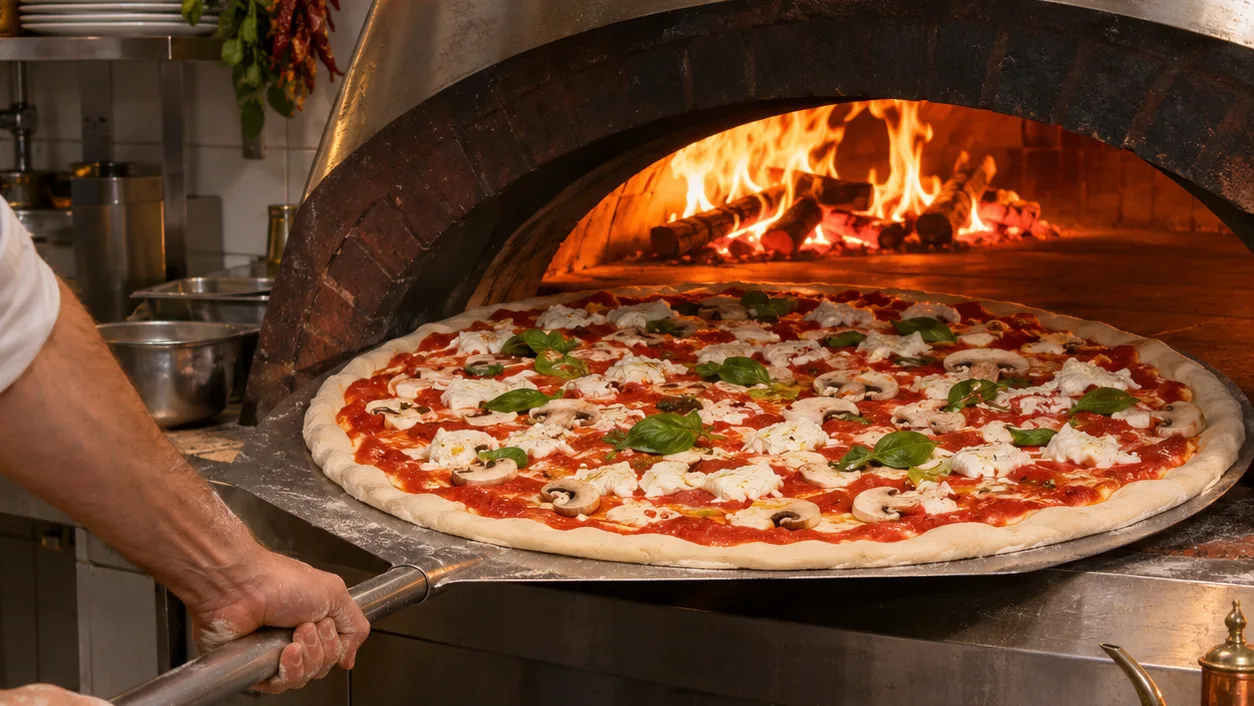
When an XXL dish arrives at the table
Some dishes can bring a conversation to a halt for a few seconds. You see the waiter approaching with an enormous platter, everyone moves their glasses out of the way and, when it finally lands on the table, someone asks what everyone was thinking: “How are we supposed to finish all of that?”
An XXL Spanish omelette, a cachopo that takes up half a platter, a mixed grill or a dessert made for sharing can turn an ordinary meal into one of those occasions you remember afterwards. And behind each one is someone who has worked out how to prepare it so it arrives at the table just right. Making a giant croquette might sound crazy, but getting it crispy on the outside while keeping the creamy filling we expect from a good croquette is another story.
That’s why we want to know what goes into each dish, how it’s prepared and how many people the venue recommends sharing it between. And whether it needs to be ordered in advance, too. More than one spontaneous visit must have ended without the star dish because nobody picked up the phone in time.
Menus worth taking your time over
There’s another kind of experience that doesn’t need a gigantic dish to leave an impression. It starts with a few starters to share, continues with a stew, moves on to meat or fish and ends with someone asking whether there’s really room for dessert. As we all know, the answer comes when we hear what’s on offer.
There’s something we love about a generous menu. It makes us slow down and make time to eat, talk and enjoy each other’s company. But it also tells us about the people in the kitchen. About the recipes they’ve been making for years, the produce that arrives when it’s in season and the dishes that bring customers back again and again.
Sometimes we get so caught up in looking for the newest thing that we forget there are venues that have been doing something extraordinary for years. And their best recommendation might come from a local who, when asked where to eat, answers without a second thought.
The best meals aren’t always remembered just for what was on the plate, but for everything that happened around the table.
Creativity you can eat
We also want to find those creations that begin when someone asks a simple question. “What if we tried it another way?”
It might be a pastry chef who turns a familiar dessert into something we’ve never seen before, a cook who brings back a family recipe and adds their own touch, or a small venue that has spent years perfecting a dish until people start travelling from elsewhere to try it.
That’s the part that interests us. Of course we want to know about the dish, but also about the person behind it and the idea that led them to create it. Because when someone tells you why they cook something a certain way, you enjoy the next spoonful differently.
Enjoying yourself also means knowing when to stop
We enjoy the spectacle of food challenges, and we love seeing how creative the people who prepare them can be. That’s why we believe it’s important to talk openly about the risks.
Eating too quickly increases the risk of choking, and eating large amounts or eating very fast can cause indigestion. If someone decides to take part in a challenge, it’s important that they know the conditions and understand they can stop as soon as they feel unwell. No prize, video or round of applause is worth continuing to eat when you don’t feel well.
And for anyone who would rather watch the clock from the other side of the table, there’s always an important job to do. Order something delicious, cheer your friend on and make sure they never forget how the dish defeated them.
That’s what we want to find at Goldongos
Food challenges, XXL dishes, generous menus and creations born from the imagination of the people behind the stove. We love them because they have a story to tell and because they often bring people together around a table.
Goldongos was born from the idea of helping people find them and giving the venues that prepare them a place to be discovered. We want to know what makes them special, who cooks them and how we can go and try them.
And for that, we need your help too. If you know a place you always end up talking about, or if your venue prepares something you think we should know about, we’d love to discover it.
After all, many of the best meals begin with a recommendation.